Autumn Gold shed – shining like a bright orange something. Hopefully it will calm down soon, but the paint colour is definitely different to the colour on the can.
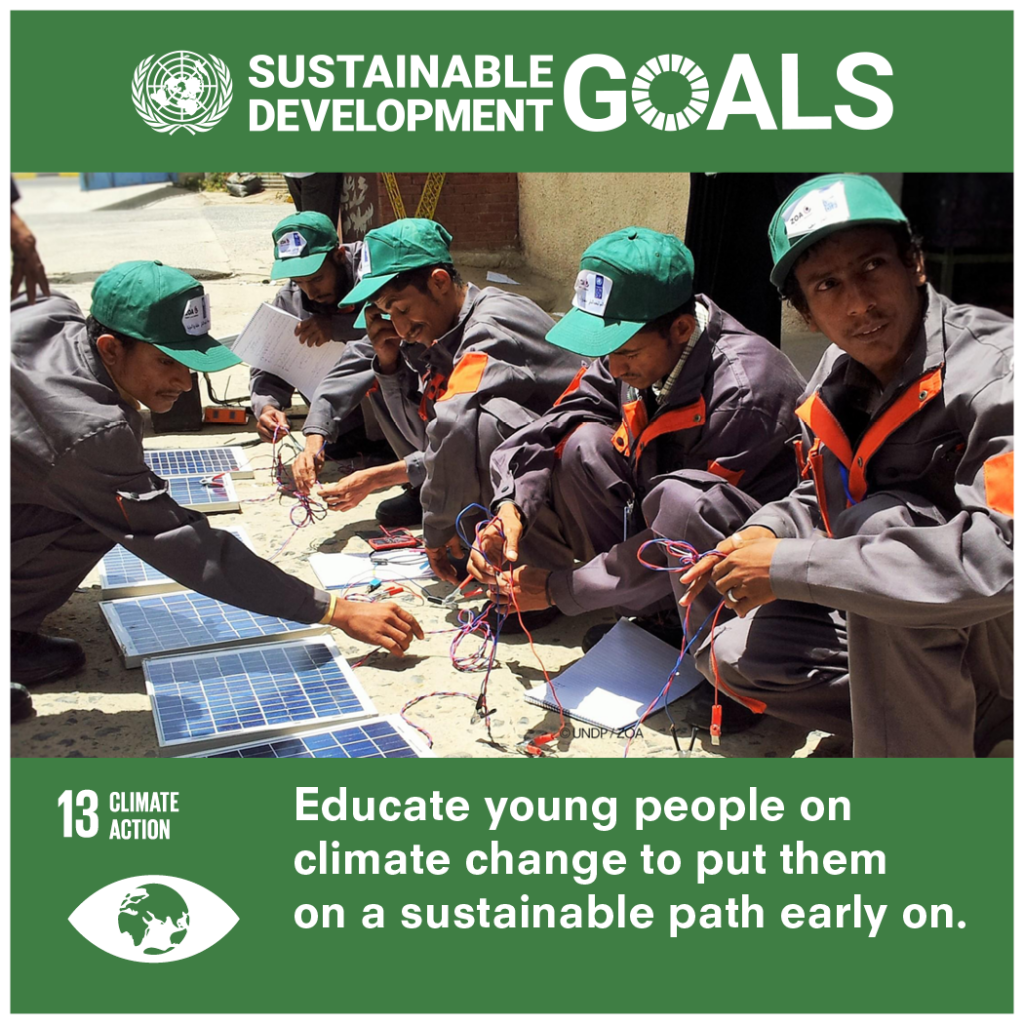
The SDG 13 is “Climate Action” – Take urgent action to combat climate change and its impacts.
In this case I think the graphic is wrong. I think we need to be educated by young people – they seem to have a much more balanced approach than many adults. The targets are pretty tame:
Strengthen resilience and adaptive capacity to climate-related hazards and natural disasters in all countries
Integrate climate change measures into national policies, strategies and planning
Improve education, awareness-raising and human and institutional capacity on climate change mitigation, adaptation, impact reduction and early warning
Implement the commitment undertaken by developed-country parties to the United Nations Framework Convention on Climate Change to a goal of mobilizing jointly $100 billion annually by 2020 from all sources to address the needs of developing countries in the context of meaningful mitigation actions and transparency on implementation and fully operationalize the Green Climate Fund through its capitalization as soon as possible
Promote mechanisms for raising capacity for effective climate change-related planning and management in least developed countries and small island developing States, including focusing on women, youth and local and marginalized communities
This week I was asking a friend about the temperature records in Siberia. The UK is experiencing record temperatures. I am suffering a bit from the temperature and I didn’t go out till late in the afternoon.
We hear a lot about the Paris Convention – but so far it has only gathered a third of the emission reductions we need.
But can we afford it? In the last 20 years the cost of climate disasters was over a million lives and over a trillion dollars. In the USA alone there are over 1.5 million people displaced as a result of natural disasters. Sadly the people doing most of the polluting are the rich countries, and the people doing most of the suffering are the poor global south.
This is one of the reasons I went to Nicaragua this year – to see how they are working to come back from damage. In a nutshell, a political embargo led to deforestation which makes farming really difficult. Now the rain patterns are changing and making it difficult to farm – farmers are afraid to risk all their seed so they are only planting a fraction of the crops they did before.
Read about how you can help to make amends and bring justice to the world here
Posted inClimate, COVID|Comments Off on Climate Action
Warm day – I managed to get a few coats on my decking today. Moved a few bits in the garden, did some weeding and now I’m ready to put another coat of Autumn Gold (or as it turns out bright orange) on my shed.
The coast road is still closed, so traffic was backed up outside my house all the way to the roundabout heading south as early as 3pm. Crazy.
Keeping an eye on the figures of infections in the USA things are looking bad. Currently the seven day moving average deaths is just over 600. But looking at the current jump in infections this looks like the rolling average deaths could rise to 2000 by the start of next month (with a new infection rate rising to 50,000 a day), and unless the trend is stopped will rise to 3000 by the middle of the month. What are the chances of the USA opting for a second lockdown? I think next to none.
I wonder if people remember the lack of PPE. Why can’t factories here make it? We can sew stuff. Remember the fuss when the government didn’t accept offers from UK industry. One of the important factors in producing PPE is to make sure it is free from bacteria and viruses. There are a number of ways to do this – but the most common is with material produced in nuclear reactors. Without that radioactive material there would be a massive gap in PPE production.
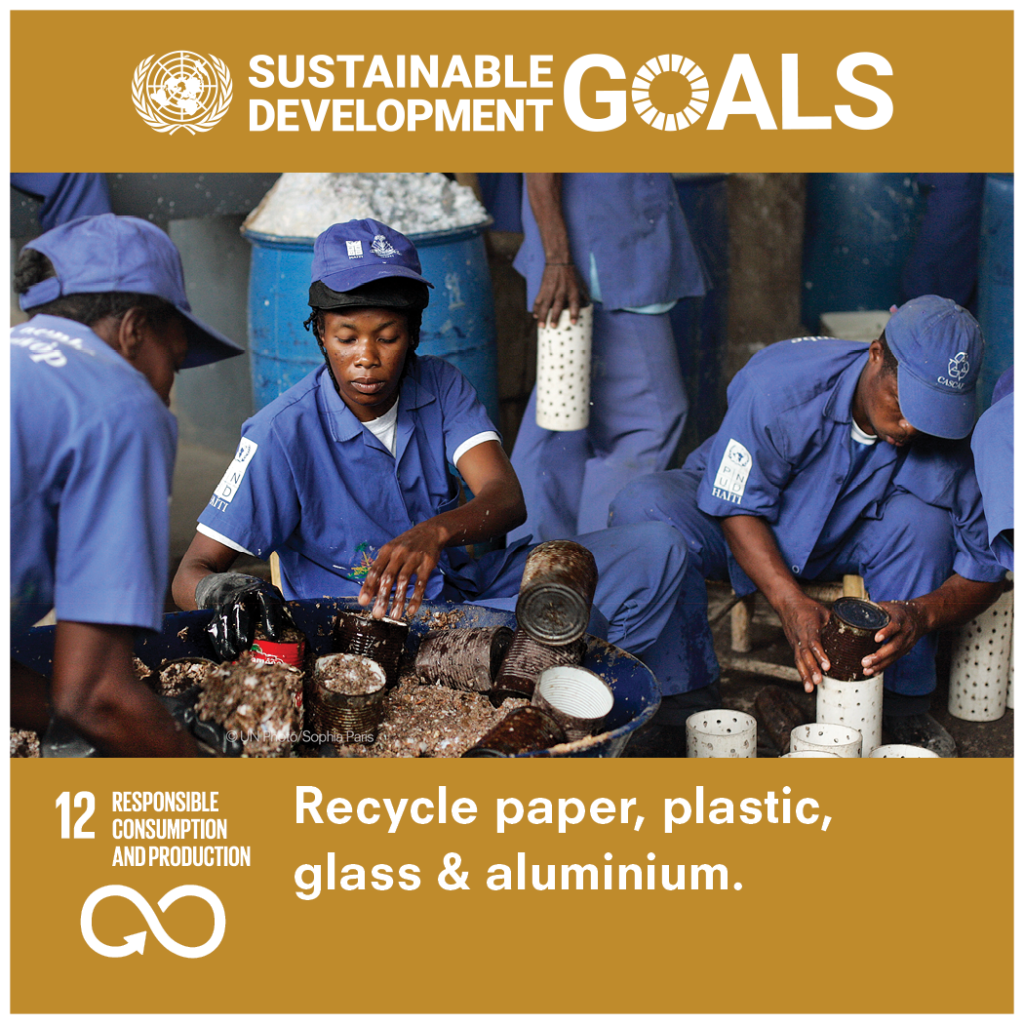
Tonight the SDG is number 12 “Responsible Consumption and Production” – to ensure sustainable consumption and production patterns.
The targets for this goal are:
Implement the 10-year framework of programmes on sustainable consumption and production, all countries taking action, with developed countries taking the lead, taking into account the development and capabilities of developing countries
By 2030, achieve the sustainable management and efficient use of natural resources
By 2030, halve per capita global food waste at the retail and consumer levels and reduce food losses along production and supply chains, including post-harvest losses
By 2020, achieve the environmentally sound management of chemicals and all wastes throughout their life cycle, in accordance with agreed international frameworks, and significantly reduce their release to air, water and soil in order to minimize their adverse impacts on human health and the environment
By 2030, substantially reduce waste generation through prevention, reduction, recycling and reuse
Encourage companies, especially large and transnational companies, to adopt sustainable practices and to integrate sustainability information into their reporting cycle
Promote public procurement practices that are sustainable, in accordance with national policies and priorities
By 2030, ensure that people everywhere have the relevant information and awareness for sustainable development and lifestyles in harmony with nature
Support developing countries to strengthen their scientific and technological capacity to move towards more sustainable patterns of consumption and production
Develop and implement tools to monitor sustainable development impacts for sustainable tourism that creates jobs and promotes local culture and products
Rationalize inefficient fossil-fuel subsidies that encourage wasteful consumption by removing market distortions, in accordance with national circumstances, including by restructuring taxation and phasing out those harmful subsidies, where they exist, to reflect their environmental impacts, taking fully into account the specific needs and conditions of developing countries and minimizing the possible adverse impacts on their development in a manner that protects the poor and the affected communities
There are around 2 billion people that go hungry or malnourished – and for each of them there is over 500 kg of food wasted every year. At the other end of the scale there are 2 billion overweight people (me included).
This is another goal where the trend is heading in the wrong direction, consumption has risen 250% since 1970, in the last few years it still went up over 5%. Since 1990 the consumption per person has risen 50%.
The idea of this goal is to do more and better with less. Yes we should reuse and recycle, but there is a lot more we need to do – we really need to think hard about what will happen to items at the end of life before we buy them. I now have plain wooden pencils that I use instead of pens wherever possible. This is part of “life cycle thinking“. You can sign up to this UN EP initiative as an individual or as a company here. To give you an idea of how this is working you can read about hoe the European plastic industry or the world steel industry are adopting the concept.
On a practical level I heard today of people in the UK that are having trouble getting food. One thing we can all do is to support a food bank.
Posted inClimate, COVID|Comments Off on Responsible Consumption and Production
No the fact that the word “Isolation” is missing from the title is not a mistake. Today was the day I had to venture in to the brave new world.
All conditioning aims at that: making people like their unescapable social destiny.
Aldous Huxley
I had to have my signature verified by a notary. He came out with a mask when I arrived in a car park. His intention was to work through the passenger window in the car. NO! My car is a clean room – only I enter it and even then only after I clean up. Goods only enter my boot, never the passenger compartment.
So I made him work from the passenger side of the bonnet with me on the driver side.
Stopping at another shop an elderly gent who had trouble walking saw me pull up and walked up to my door to talk to me. No social distancing (even though I guessed he would be in the sheltering group). He was obviously struggling – he wanted normal and he was over compensating by getting closer than he normally would. I let him talk through a closed window. After he was done he walked over to somebody else on the street to do the same again. To be honest he was not a pleasant person to listen to.
And here we have a problem. If my coffee shop decides it need to use 1m spacing to make money it will lose my custom, because I choose 2m spacing.
At the moment, if you look at our published statistics, you will see we have had around 300,000 confirmed cases and 43,000 deaths. That suggests 14% of people with the disease die – those numbers do not stack up. Thanks to the ONS study we know the numbers are wrong. There have actually been over 3.5 million people infected – suggesting only around 1% of people that catch the disease die. But think about that – we have only picked up 1 in 10 cases.
You looked at the report that says there are only 33,000 cases in the UK at present – check the footnotes. This excludes hospitals, care homes, prisons etc. This is not over.
One of the numbers that might be a surprise is that 95% of the cases in the world have occurred in cities.
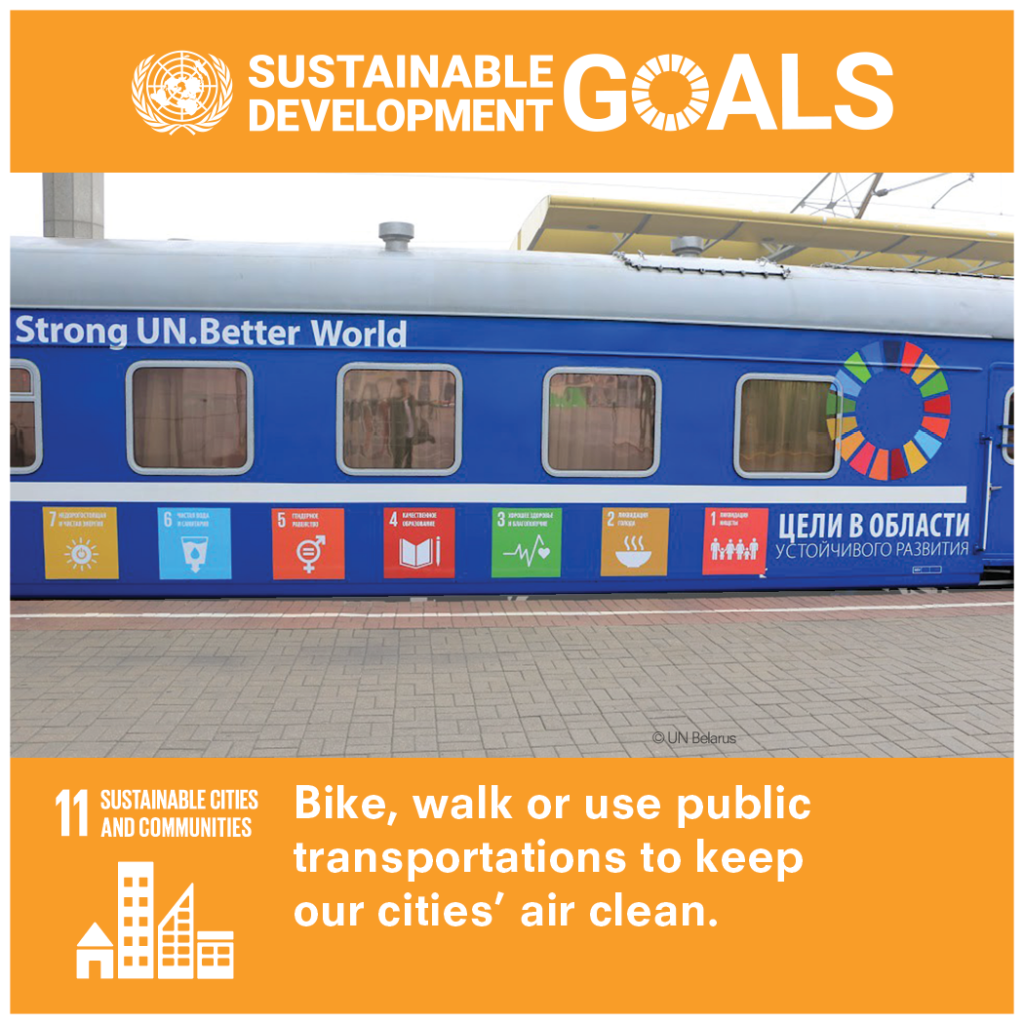
Tonight the SDG is number 11 “Sustainable cities and communities”. The goal is actually to “Make cities and human settlements inclusive, safe, resilient and sustainable”.
This goal is about how we design our cities. Personally I believe that the larger the city the more steps we need to take to make them sustainable. The targets are:
By 2030, ensure access for all to adequate, safe and affordable housing and basic services and upgrade slums
By 2030, provide access to safe, affordable, accessible and sustainable transport systems for all, improving road safety, notably by expanding public transport, with special attention to the needs of those in vulnerable situations, women, children, persons with disabilities and older persons
By 2030, enhance inclusive and sustainable urbanization and capacity for participatory, integrated and sustainable human settlement planning and management in all countries
Strengthen efforts to protect and safeguard the world’s cultural and natural heritage
By 2030, significantly reduce the number of deaths and the number of people affected and substantially decrease the direct economic losses relative to global gross domestic product caused by disasters, including water-related disasters, with a focus on protecting the poor and people in vulnerable situations
By 2030, reduce the adverse per capita environmental impact of cities, including by paying special attention to air quality and municipal and other waste management
By 2030, provide universal access to safe, inclusive and accessible, green and public spaces, in particular for women and children, older persons and persons with disabilities
Support positive economic, social and environmental links between urban, peri-urban and rural areas by strengthening national and regional development planning
By 2020, substantially increase the number of cities and human settlements adopting and implementing integrated policies and plans towards inclusion, resource efficiency, mitigation and adaptation to climate change, resilience to disasters, and develop and implement, in line with the Sendai Framework for Disaster Risk Reduction 2015-2030, holistic disaster risk management at all levels
Support least developed countries, including through financial and technical assistance, in building sustainable and resilient buildings utilizing local materials
There are still a billion people living in slums (a quarter of all city dwellers), although as a percentage of the urban population this has halved in the last 25 years. What this means is we are doing just about enough to stay still.
We need to improve our cities. Levels of pollution are too high. With the current problems with public transport this can only get worse unless we choose alternative transport.
I have always disliked electric vehicles being called the answer to carbon emissions – because they are not. But the one thing they are is an emission mover – instead of emissions in cities we can move them to the electric generating plants. A more likely carbon reduction strategy will be modern fuels, but that will not solve the city problem. The idea of having inner cities with electric only vehicles can seem to be a good answer – of course that means we only allow the expensive electric cars in to the posh parts of cities – the poor people that can’t afford the latest Tesla (or a new car of any kind) will be excluded.
It isn’t an easy answer, but using foot, bike or public transport is something we can do that will make a difference. Estimates for the UK are that we kill around 25,000 a year from air pollution – this has been dropping over the last 25 years (it has dropped by a third). As a country we have been doing better than many.
To date we are recording around 500,000 deaths from COVID-19 – but air pollution is estimated to kill more than 3 million people in the world each and every year. Maybe Greta had a point, are we still listening to her?
No rain today – good news. Looks like I might be able to get some outdoor painting done this week.
Had a long walk this evening to look at the shops that were open in the village and how they were dealing with re-opening. As I walked past the graveyard all of the streetlights tripped. I saw a couple walking in the other direction – they looked a bit spooked. But I managed to resist doing a Zombie imitation. It really was tempting.
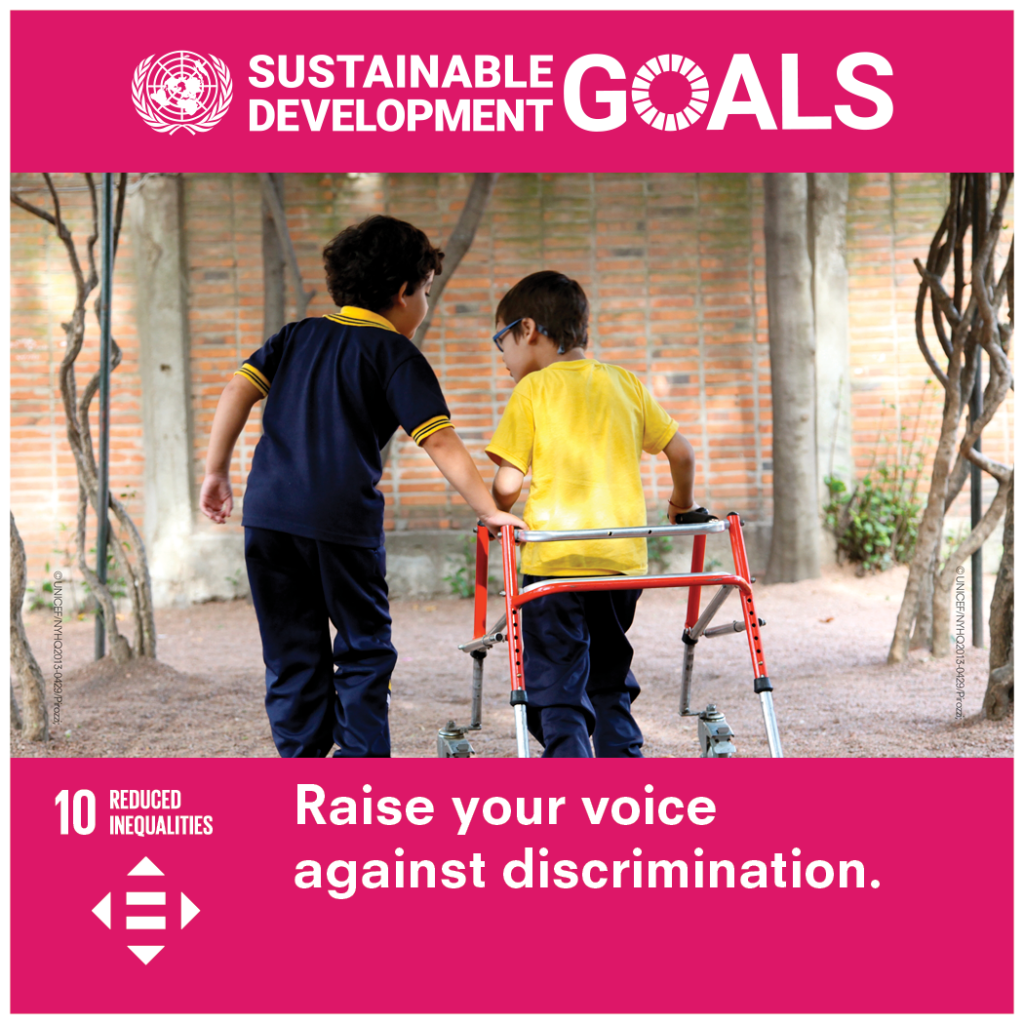
Tonight is SDG 10 “Reduce inequality within and among countries” the goal is is the goal.
The targets for this goal are:
By 2030, progressively achieve and sustain income growth of the bottom 40 per cent of the population at a rate higher than the national average
By 2030, empower and promote the social, economic and political inclusion of all, irrespective of age, sex, disability, race, ethnicity, origin, religion or economic or other status
Ensure equal opportunity and reduce inequalities of outcome, including by eliminating discriminatory laws, policies and practices and promoting appropriate legislation, policies and action in this regard
Adopt policies, especially fiscal, wage and social protection policies, and progressively achieve greater equality
Improve the regulation and monitoring of global financial markets and institutions and strengthen the implementation of such regulations
Ensure enhanced representation and voice for developing countries in decision-making in global international economic and financial institutions in order to deliver more effective, credible, accountable and legitimate institutions
Facilitate orderly, safe, regular and responsible migration and mobility of people, including through the implementation of planned and well-managed migration policies
Implement the principle of special and differential treatment for developing countries, in particular least developed countries, in accordance with World Trade Organization agreements
Encourage official development assistance and financial flows, including foreign direct investment, to States where the need is greatest, in particular least developed countries, African countries, small island developing States and landlocked developing countries, in accordance with their national plans and programmes
By 2030, reduce to less than 3 per cent the transaction costs of migrant remittances and eliminate remittance corridors with costs higher than 5 per cent
The good news is there are parts of this where we are doing well. Trump has been talking a lot about import duties. In the UK we have been discussing the same over BREXIT. When we look at the least developed countries they have preferential treatment in terms of duty-free treatment.
The bad news is that the top 1 % are getting progressively richer than the rest of the population. The countries failing most might surprise you – for example Canada is doing a lot worse than the USA. In 1980 the top 1% had 16% of the global income, the prediction is that, unless we change, this will increase to 39% by 2050 (currently we are well on the way to this).
One of the measures we can look at is the GINI ranking/index etc. But there are a few problems with it. You can look at it on wikipedia, or at the World bank, but I think the UN graph that shows the change over 15 years is better. Countries below the line are improving.
There is an interesting initiative called “Rise for all” that is worth learning about and campaigning for our government to support.
Posted inCOVID|Comments Off on Isolation Day 99 – Reduce inequalities
Did you know that polar bears do not kill penguins!
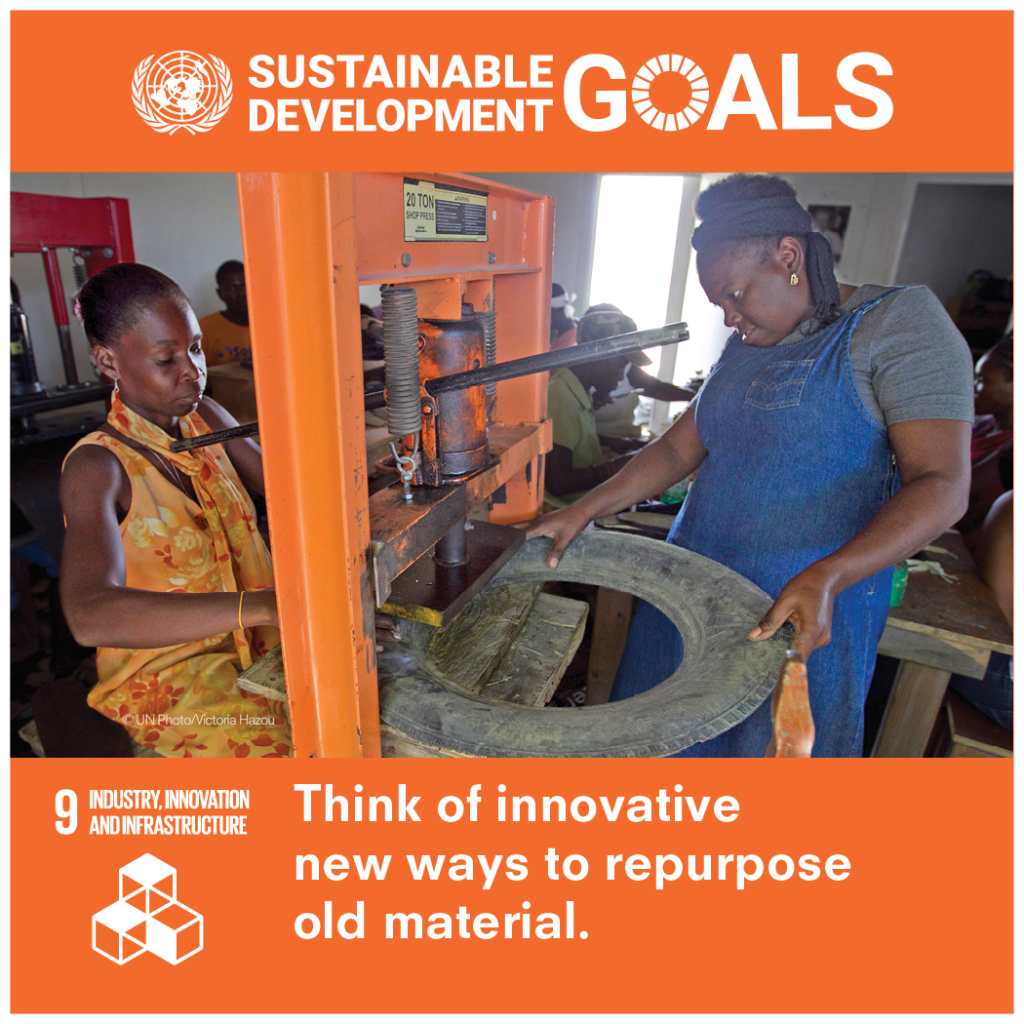
The SDG for tonight is Industry, Innovation and Infrastructure – “Build resilient infrastructure, promote inclusive and sustainable industrialization and foster innovation”.
I feel the short version of this goal is sort of misleading, because the idea needs to be to build an infrastructure which can support developing sustainable industry. The targets are
Develop quality, reliable, sustainable and resilient infrastructure, including regional and transborder infrastructure, to support economic development and human well-being, with a focus on affordable and equitable access for all
Promote inclusive and sustainable industrialization and, by 2030, significantly raise industry’s share of employment and gross domestic product, in line with national circumstances, and double its share in least developed countries
Increase the access of small-scale industrial and other enterprises, in particular in developing countries, to financial services, including affordable credit, and their integration into value chains and markets
By 2030, upgrade infrastructure and retrofit industries to make them sustainable, with increased resource-use efficiency and greater adoption of clean and environmentally sound technologies and industrial processes, with all countries taking action in accordance with their respective capabilities
Enhance scientific research, upgrade the technological capabilities of industrial sectors in all countries, in particular developing countries, including, by 2030, encouraging innovation and substantially increasing the number of research and development workers per 1 million people and public and private research and development spending
Facilitate sustainable and resilient infrastructure development in developing countries through enhanced financial, technological and technical support to African countries, least developed countries, landlocked developing countries and small island developing States 18
Support domestic technology development, research and innovation in developing countries, including by ensuring a conducive policy environment for, inter alia, industrial diversification and value addition to commodities
Significantly increase access to information and communications technology and strive to provide universal and affordable access to the Internet in least developed countries by 2020
As you can see the first target is infrastructure – and that makes more sense to me. The bad news is that we are going to fail to meet this goal.
I think one of the interesting areas to look at is transport. There are areas with good air transport infrastructure, but poor surface transport infrastructure. Generally speaking Europe and Asia fare better for surface transport than the rest of the world.
There is one interesting project I was involved in which was the “Euro-Asian Transport Links”. The idea was to create a land route from the Eastern shores of China to the Western shores of Europe. The main focus was on rail routes, and you may remember that this started operation a few years ago with a train from Beijing to the UK. If you are a rail nut then PM me and I’ll send you some links about the technical stuff.
Certainly the effects of coronavirus demonstrates the way our world has become smaller – how we depend on each other.
So how do we respond. I like the challenge in the graphic, to re-purpose as much as possible. But there are harder questions – how should we respond to infrastructure improvements like HS2 and the third runway at Heathrow. The infrastructure is needed, but the challenge is how to make that infrastructure sustainable.
Posted inCOVID|Comments Off on Isolation Day 98 – Industry, Innovation and Infrastructure
I’ve seen a few fake news posts recently. People engage with them and try to correct the error. It struck me that this must show up as involvement in the subject and so strengthen the Facebook ranking for the subject. As a result fake news is promoted by trying to correct it.
This then made me think of the report on russian manipulation of facebook. They post extreme views on either side of an argument – inspiring arguments and thus increasing ranking for their posts.
Maybe the better way to deal with fake posts really is just to stop listening to people that habitually post them. Or at least just don’t engage.
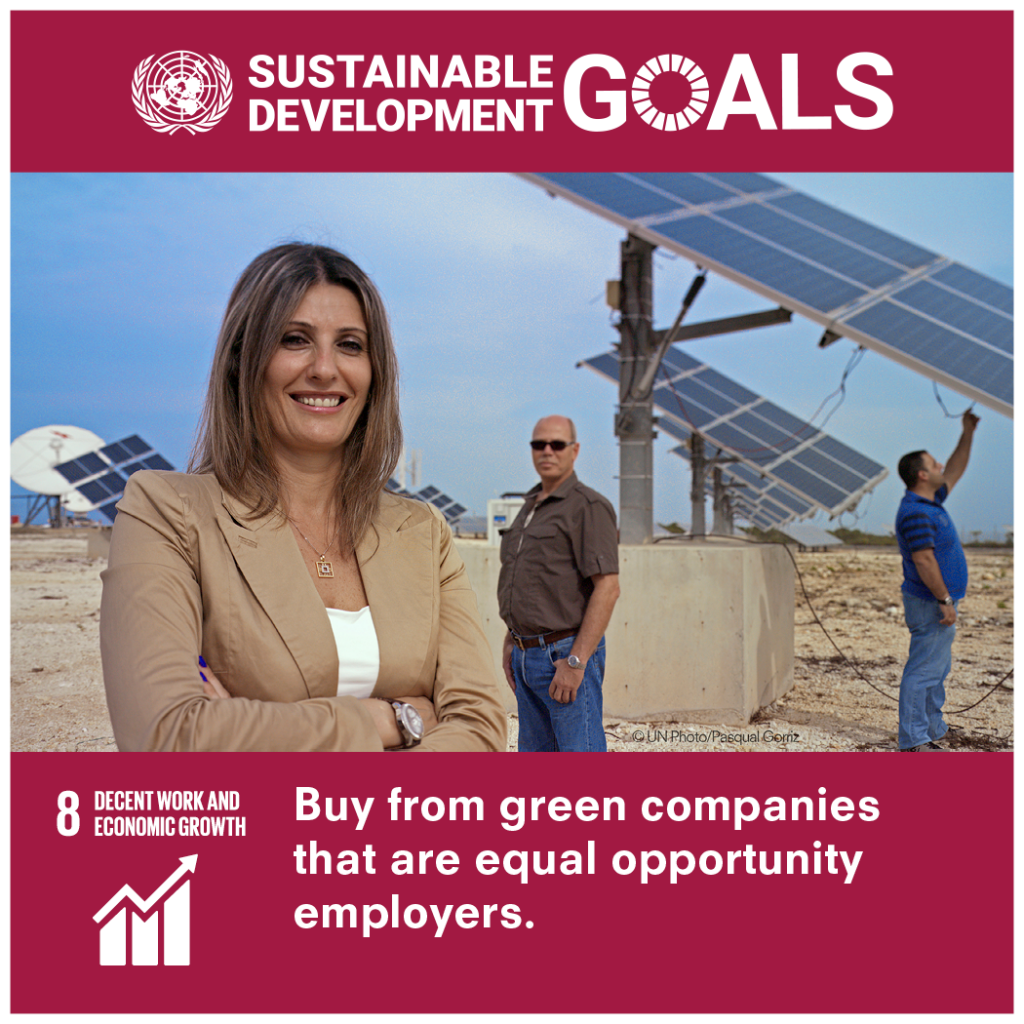
Today the SDG is number 8 “Promote sustained, inclusive and sustainable economic growth, full and productive employment and decent work for all”
This one is interesting – since it seems one more for the private sector than for governments. But it is easily measurable – because we measure this area in the finest details. The targets for this are:
Sustain per capita economic growth in accordance with national circumstances and, in particular, at least 7 per cent gross domestic product growth per annum in the least developed countries
Achieve higher levels of economic productivity through diversification, technological upgrading and innovation, including through a focus on high-value added and labour-intensive sectors
Promote development-oriented policies that support productive activities, decent job creation, entrepreneurship, creativity and innovation, and encourage the formalization and growth of micro-, small- and medium-sized enterprises, including through access to financial services
Improve progressively, through 2030, global resource efficiency in consumption and production and endeavour to decouple economic growth from environmental degradation, in accordance with the 10-year framework of programmes on sustainable consumption and production, with developed countries taking the lead
By 2030, achieve full and productive employment and decent work for all women and men, including for young people and persons with disabilities, and equal pay for work of equal value
By 2020, substantially reduce the proportion of youth not in employment, education or training
Take immediate and effective measures to eradicate forced labour, end modern slavery and human trafficking and secure the prohibition and elimination of the worst forms of child labour, including recruitment and use of child soldiers, and by 2025 end child labour in all its forms
Protect labour rights and promote safe and secure working environments for all workers, including migrant workers, in particular women migrants, and those in precarious employment
By 2030, devise and implement policies to promote sustainable tourism that creates jobs and promotes local culture and products
Strengthen the capacity of domestic financial institutions to encourage and expand access to banking, insurance and financial services for all
Increase Aid for Trade support for developing countries, in particular least developed countries, including through the Enhanced Integrated Framework for Trade-Related Technical Assistance to Least Developed Countries
By 2020, develop and operationalize a global strategy for youth employment and implement the Global Jobs Pact of the International Labour Organization
Who would have believed that a goal related to business would have so much focus?
There were a number of good signs before coronavirus, however everything is now crazy. The graphic above is still valid in one way – make sure you know something about the supply chain for the goods you buy. Look at issues like the material footprint. In the last 20 years we have increased the amount of material we use by 33% on average across the world (from 9 t per person to 12 t per person). Hang on you say, I am buying less than 20 years ago. Yes, but remember there are a lot of people that have a very small footprint because they have nothing.
Our government talks about a policy of leveling up. But actually in this area we need to think more about leveling down for us in order to create headroom for others to level up.
One of the figures that was poor before coronavirus was youth unemployment (20%). This is an area we all need to focus on. Push for our employers to create youth employment posts.
One of the ideas for response to the coronavirus epidemic is to focus on small and medium sized companies rather than large companies. Might be an idea worth thinking about, but we do need to think about a different type of economy in the future. There are charities that offer loans to micro-businesses – look some of them up (try CEPAD, or maybe Kiva). I don’t think I could put it better than the Secretary General of the UN.
The world is facing an unprecedented test. And this is the moment of truth.
…
It is essential that developed countries immediately assist those less developed to bolster their health systems and their response capacity to stop transmission.
Otherwise we face the nightmare of the disease spreading like wildfire in the global South with millions of deaths and the prospect of the disease re-emerging where it was previously suppressed.
Let us remember that we are only as strong as the weakest health system in our interconnected world.
…we must tackle the devastating social and economic dimensions of this crisis, with a focus on the most affected: women, older persons, youth, low-wage workers, small and medium enterprises, the informal sector and vulnerable groups, especially those in humanitarian and conflict settings.
We must see countries not only united to beat the virus but also to tackle its profound consequences.
That means designing fiscal and monetary policies able to support the direct provision of resources to support workers and households, the provision of health and unemployment insurance, scaled up social protection, and support to businesses to prevent bankruptcies and massive job losses.
…
Finally, when we get past this crisis — which we will — we will face a choice.
We can go back to the world as it was before or deal decisively with those issues that make us all unnecessarily vulnerable to crises.
Our roadmap is the 2030 Agenda and the 17 Sustainable Development Goals.
The recovery from the COVID-19 crisis must lead to a different economy.
Everything we do during and after this crisis must be with a strong focus on building more equal, inclusive and sustainable economies and societies that are more resilient in the face of pandemics, climate change, and the many other global challenges we face.
What the world needs now is solidarity.
With solidarity we can defeat the virus and build a better world.
António Guterres Secretary-General of the United Nations
Posted inCOVID|Comments Off on Isolation Day 97 – Decent Work and Economic Growth
It struck me today that there is a problem with shielding. The people that are shielding have no idea how to live in the new socially distanced world. Because they are isolated they have less need to wash hands or avoid touching their face. I wonder how long it will take them to adjust to the new world when the rules are relaxed.
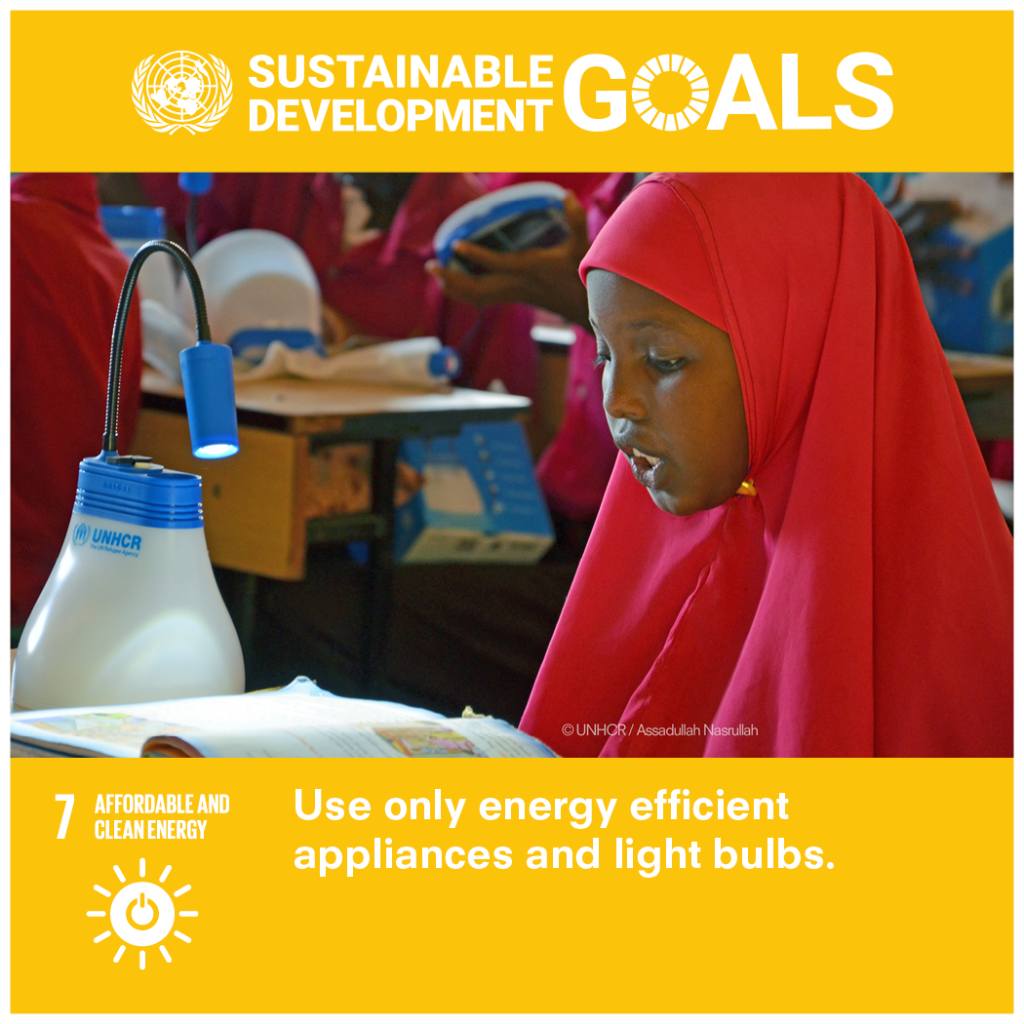
Anyway the SDG for today if number 7 Affordable and clean Energy – “Ensure access to affordable, reliable, sustainable and modern energy for all”.
This one is pretty short on targets. They are:
By 2030, ensure universal access to affordable, reliable and modern energy services
By 2030, increase substantially the share of renewable energy in the global energy mix
By 2030, double the global rate of improvement in energy efficiency
By 2030, enhance international cooperation to facilitate access to clean energy research and technology, including renewable energy, energy efficiency and advanced and cleaner fossil-fuel technology, and promote investment in energy infrastructure and clean energy technology
By 2030, expand infrastructure and upgrade technology for supplying modern and sustainable energy services for all in developing countries, in particular least developed countries, small island developing States, and land-locked developing countries, in accordance with their respective programmes of support
There are a number of ways to look at energy production. In this country we tend to think about our electric supply, but the rest of the world doesn’t always live like us. More than half of the world use polluting and unhealthy fuels for cooking. There are a number of ways we can support change in pollution form cooking – one is through carbon offsetting via the gold standard.
One of the areas I worked on involved health in developing countries. Some posh countries were providing high tech gear to developing countries. Unfortunately they needed a lot of very stable electricity, so they tended to sit unused. With coronavirus the UN identified the need to prioritise energy for health clinics and first responders.
One of the good news items is that we need less energy today to produce economic output than previously, however a sad statistic is that for every £ of economic output you need twice as much energy in low income countries as high income countries. A difficult fact is that renewable energy in developing countries puts them at a disadvantage to high income countries.
One of the villages we visited in Nicaragua had a solar energy system installed for them by a posh country. The cost of the batteries that needed to be replaced on a regular basis was beyond the village, and replacement parts were just beyond their ability.
For me the big take away from this to pay attention to what people need, not what we think we should give. One more lesson we learned from Gilberto – I was the person he was talking to here – just out of camera shot.
Posted inCOVID|Comments Off on Isolation Day 96 – Affordable and Clean Energy
I remember the night before leaving Nicaragua. We all sat out at a long table on the street. It was warm but a little damp. I really liked the weather. When it came time to say goodbye I wondered if logistics would allow some of us to us to see each other again. Just three months later and Gilberto has gone, we will not see him again in this world.
Sometimes people touch your life in unexpected ways that change you. He was one of those people in my life. A few hours here and a few hours there – but he left me with a real challenge. Today we see people protesting with a real anger in their hearts. Gilberto has fought for the forgotten, for the downtrodden over decades. But I didn’t see an anger, I saw what I can only describe as the fire of love. I want to learn how to let that be my motivation.
I wondered about taking a break tonight, just to give myself time to think things over. But then I thought, no, the answer to losing him is actually to step up our effort in supporting the changes we need to see in this world.
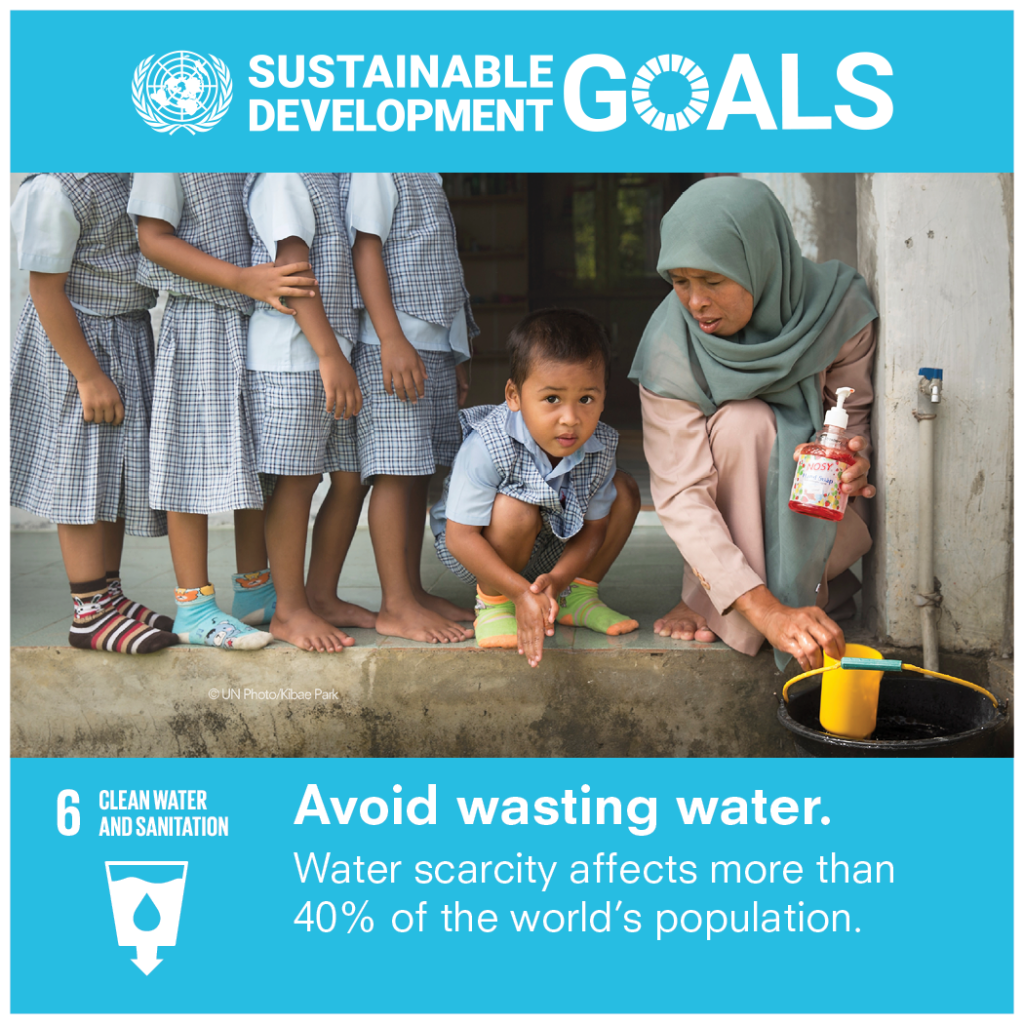
So tonight the SDG is Clean Water and Sanitation. “Ensure availability and sustainable management of water and sanitation for all”
I got an email from my water supplier this week asking me to avoid using a sprinkler which could result in 1000s of litres of water being used each hour. We call it a water scarcity, but actually it is far from it. I notice my supermarket is currently limiting bottled water (in fact I can buy more coke than I can bottled water if you believe it). Still, not a scarcity.
In one village we visited the water source had such high mineral levels that people were dying from kidney failure.
The targets for this goal are:
By 2030, achieve universal and equitable access to safe and affordable drinking water for all
By 2030, achieve access to adequate and equitable sanitation and hygiene for all and end open defecation, paying special attention to the needs of women and girls and those in vulnerable situations
By 2030, improve water quality by reducing pollution, eliminating dumping and minimizing release of hazardous chemicals and materials, halving the proportion of untreated wastewater and substantially increasing recycling and safe reuse globally
By 2030, substantially increase water-use efficiency across all sectors and ensure sustainable withdrawals and supply of freshwater to address water scarcity and substantially reduce the number of people suffering from water scarcity
By 2030, implement integrated water resources management at all levels, including through transboundary cooperation as appropriate
By 2020, protect and restore water-related ecosystems, including mountains, forests, wetlands, rivers, aquifers and lakes
By 2030, expand international cooperation and capacity-building support to developing countries in water- and sanitation-related activities and programmes, including water harvesting, desalination, water efficiency, wastewater treatment, recycling and reuse technologies
Support and strengthen the participation of local communities in improving water and sanitation management
We need to double the rate of change to meet our targets for this goal. One in three people don’t have access to safe drinking water. Over half a million people have no toilets available to them. Having said that we have almost doubled the number of people with access to clean water over the last 20 years – we just need to do the same again.
Coronavirus is another problem – COVID-19 will not be stopped without access to safe water for people living in vulnerability. One group looking in to this is UNICEF, who are focussing on children. You can donate money to their programme . And UN Habitat is focusing work on providing hand washing facilities in slums around the world.
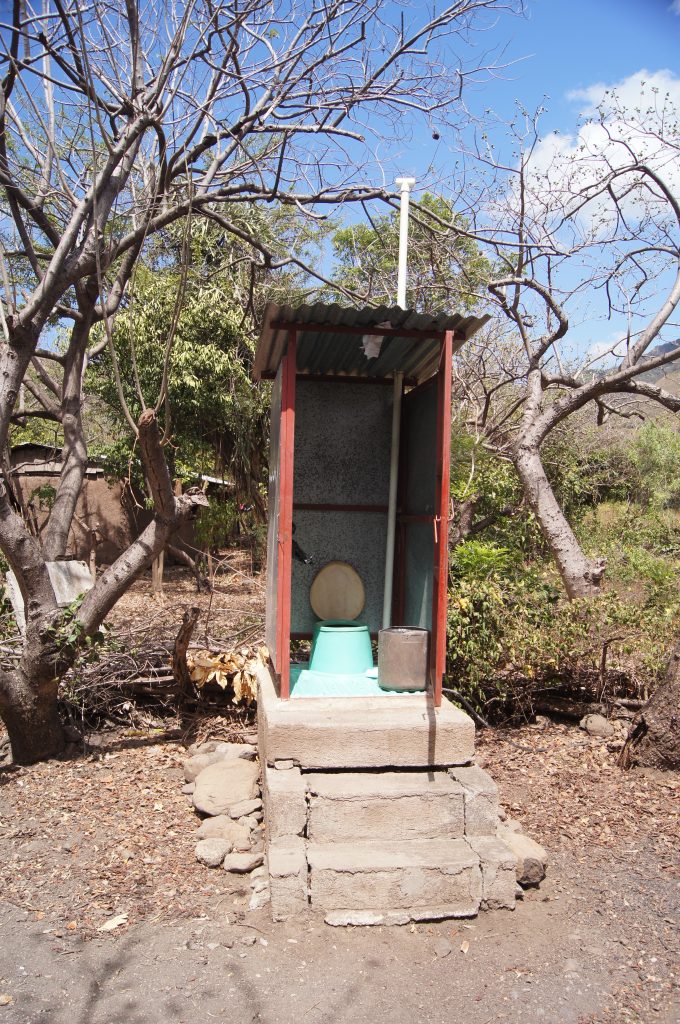
While in Nicaragua we saw the work supported by CEPAD to provide water filters and to support the provision of basic toilets.
SONY DSC
CEPAD is the organisation that Gilberto worked for, and continued to work for even after retirement. If you can make a donation today in memory of Gilberto, maybe you remember him from his visit to Liverpool, then make a donation here – and maybe just mark it as being in memory of Gilberto.
Posted inCOVID|Comments Off on Isolation Day 95 – Clean Water and Sanitation
I’m getting excited – I am going to break out tonight after midnight. I have a delivery to make. But not only that, but I have a Marmite collection to make. It will be hidden in the bushes for my collection. It feels a bit like the new drug craze. I’ll be able to get back to my soup making tomorrow.
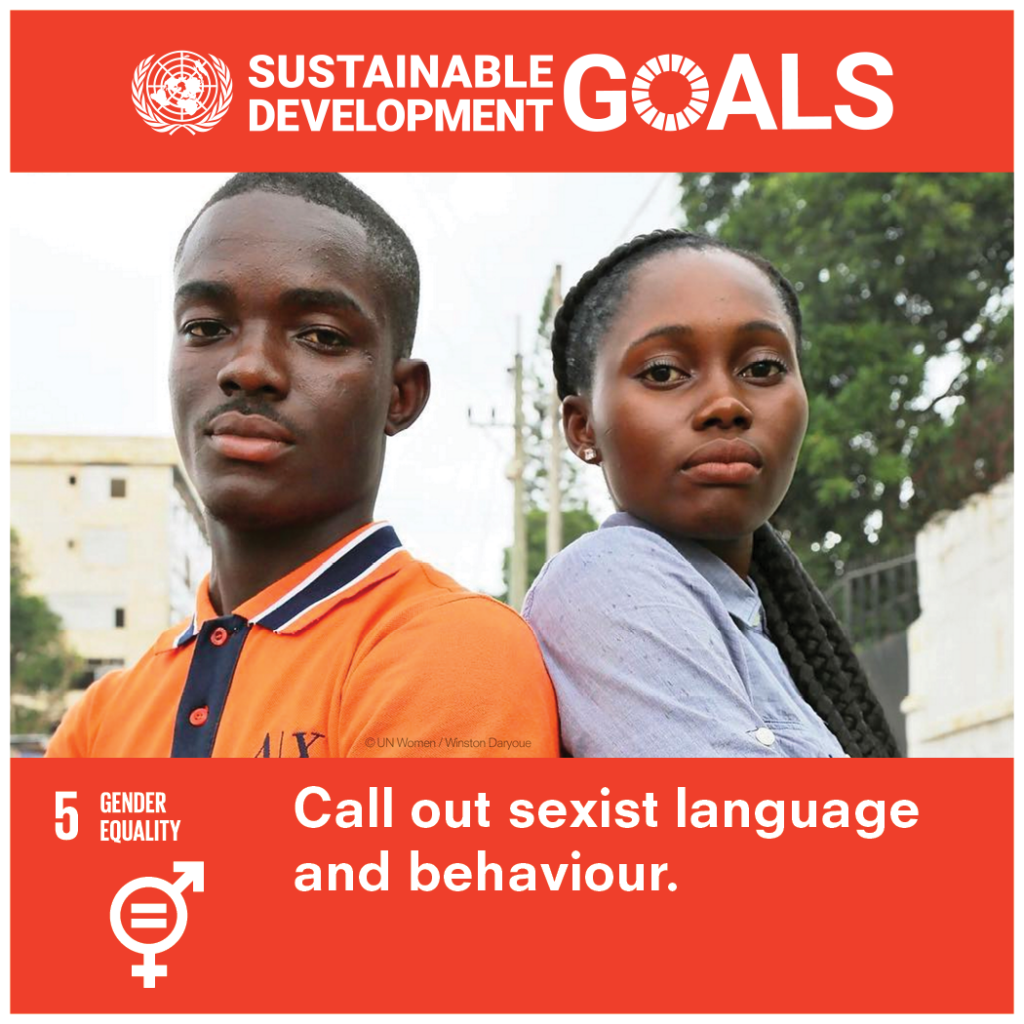
I’m not really looking forward to the topic tonight, SDG 5 – Gender Equality.
It seems like a fairly tame subject for a lot of men in the western world. Unfortunately when you dig in to the details it must be one of the most horrific topics under the SDG. The goal is to “Achieve gender equality and empower all women and girls”, and the targets are:
End all forms of discrimination against all women and girls everywhere
Eliminate all forms of violence against all women and girls in the public and private spheres, including trafficking and sexual and other types of exploitation
Eliminate all harmful practices, such as child, early and forced marriage and female genital mutilation
Recognize and value unpaid care and domestic work through the provision of public services, infrastructure and social protection policies and the promotion of shared responsibility within the household and the family as nationally appropriate
Ensure women’s full and effective participation and equal opportunities for leadership at all levels of decision making in political, economic and public life
Ensure universal access to sexual and reproductive health and reproductive rights as agreed in accordance with the Programme of Action of the International Conference on Population and Development and the Beijing Platform for Action and the outcome documents of their review conferences
Undertake reforms to give women equal rights to economic resources, as well as access to ownership and control over land and other forms of property, financial services, inheritance and natural resources, in accordance with national laws
Enhance the use of enabling technology, in particular information and communications technology, to promote the empowerment of women
Adopt and strengthen sound policies and enforceable legislation for the promotion of gender equality and the empowerment of all women and girls at all levels
We all know that women are more likely to experience violence in a relationship. But did you know that around one in five women in relationships experience violence of some kind in the relationship? And that one in three women experience physical and/or sexual violence.
There is some good news – the incidence of childhood brides has reduced by 40% in the last 20 years in southern asia. Two thirds of countries have managed to get to gender equality in primary education, and we have doubled the number of women in parliaments over the last 25 years – we only need to double it again to get to gender equality – will it really take another 25 years? Not sure I would have patience.
Universal suffrage is in place in law in most countries, with only Saudi Arabia and Brunei as marked hold outs.
But perhaps the data that causes me most concern is the male/female birth ratio. On average there is expected to be 105 male births for every 100 female births. However the ratio is well out of the average in India, Vietnam, Pakistan, Azerbaijan and China (115 in China). Things have changed in some countries – for example in South Korea the sex ratio of the fourth child had a peak over 240/100 in the mid 90s. Today it is back to 110/100 (for the fourth child).
The practice of sex selection of children does not seem to be clearly proved, but to me it is clearly indicated by the data. A number of studies suggests that there are over 125 million women “missing”.
In the past (up to 1980) nearly all the “missing” women were from sex selective abortions, but after that date postnatal deaths started to rise. Today prenatal and postnatal decisions to terminate a life on the basis of gender are about equal, and total over 3 million a year.
More to the point what can we do here at home. The graphic above invites us to call out sexism. I’ve seen some cases of sexism in work, and the attempts of men to pit in a “fix”, which seems to be more about identifying the most man-like women rather than facing the sexism built in to the workplace structures. We need to challenge work systems that are testosterone based.
Posted inCOVID|Comments Off on Isolation Day 94 – Gender Equality
Just listening to “The Hurricane” by Bob Dylan. Quite appropriate for these days.
Well the Gorilla glue solution for the vine support seems to be really good. I always thought the TV adds oversold it, but it really does work very well.
Decided that my next hoarding target is Marmite (why do I think that should be said with a Somerset accent?).
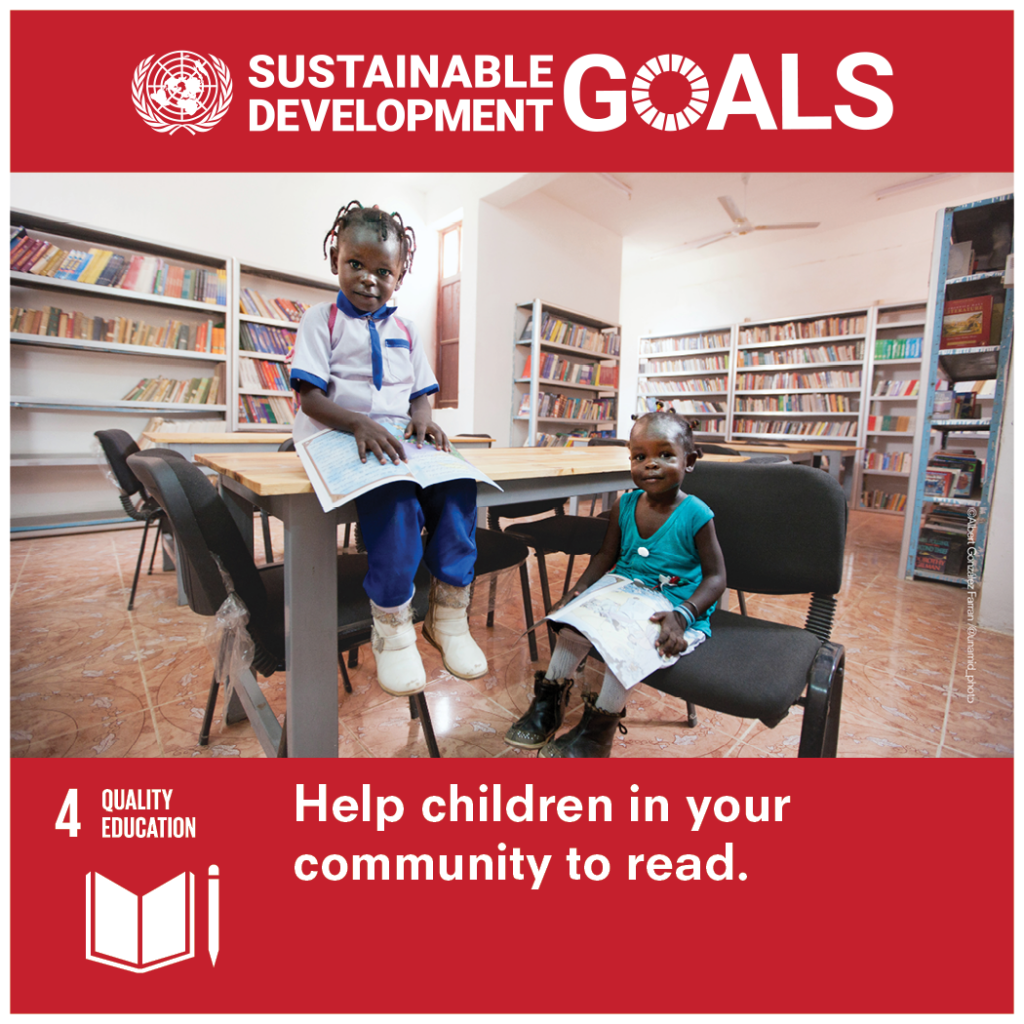
Tonight the SDG is number 4 – Quality Education.
I had a look at my ancestry. I spotted that my grandfather had marked a certificate with an X and a note beside it said “his mark”. It meant he couldn’t write his name. We had a deaf man in the village I grew up in. I remember by dad talked about teaching him how to read – the education system had failed him. He went on to speak in public – I guess the education system just didn’t cope with people that were not “normal”.
Education is the great leveler. If people care about BLM then education is one of the answers. You can legislate racism away, but you can’t legislate racists away. A generation of education is needed to do that.
The targets for this goal are:
By 2030, ensure that all girls and boys complete free, equitable and quality primary and secondary education leading to relevant and Goal-4 effective learning outcomes
By 2030, ensure that all girls and boys have access to quality early childhood development, care and preprimary education so that they are ready for primary education
By 2030, ensure equal access for all women and men to affordable and quality technical, vocational and tertiary education, including university
By 2030, substantially increase the number of youth and adults who have relevant skills, including technical and vocational skills, for employment, decent jobs and entrepreneurship
By 2030, eliminate gender disparities in education and ensure equal access to all levels of education and vocational training for the vulnerable, including persons with disabilities, indigenous peoples and children in vulnerable situations
By 2030, ensure that all youth and a substantial proportion of adults, both men and women, achieve literacy and numeracy
By 2030, ensure that all learners acquire the knowledge and skills needed to promote sustainable development, including, among others, through education for sustainable development and sustainable lifestyles, human rights, gender equality, promotion of a culture of peace and non-violence, global citizenship and appreciation of cultural diversity and of culture’s contribution to sustainable development
Build and upgrade education facilities that are child, disability and gender sensitive and provide safe, nonviolent, inclusive and effective learning environments for all
By 2020, substantially expand globally the number of scholarships available to developing countries, in particular least developed countries, small island developing States and African countries, for enrolment in higher education, including vocational training and information and communications technology, technical, engineering and scientific programmes, in developed countries and other developing countries
By 2030, substantially increase the supply of qualified teachers, including through international cooperation for teacher training in developing countries, especially least developed countries and small island developing states
The bias in education still exists. Two thirds of illiterate adults are women. There is very little progress for this goal – one of the most important goals for long term change. Australia, France, Japan, UK and the EU provide 2/3 of the support for education overseas.
Today the government announced that it was going to radically change how overseas aid was managed. So one of the things we can do right now is write to our MP to ask them to make sure the good work we have done in supporting education is continued.
Around a billion students are missing education during the coronavirus crisis (2/3 of all students). UNESCO is working to respond to that through something called the Global Education Coalition. Organisations like Microsoft and the BBC World service are members providing support. Large scale support could be offered to COVID19taskforce@unesco.org
At a local level what can we do? Well, there a lot of people that are becoming unemployed, and there a lot of parents struggling to cope with education. One thing I’ve done is to put together a worksheet for my friends kids. We can all do that.
But if you are really desperate to de-bloat your bank account you could support work with street children.
I also wonder about the initial stages of recovery from coronavirus in this country. Should churches take the hit and provide additional space for schools as the re-start, or should they focus on their own well-being?
Posted inCOVID|Comments Off on Isolation Day 93 – Quality Education